Xiaomi Mi 3 Review
Exploring Xiaomi’s breakthrough device that changed the smartphone market forever — the Mi 3’s enduring legacy, features, and why it still matters in 2025.

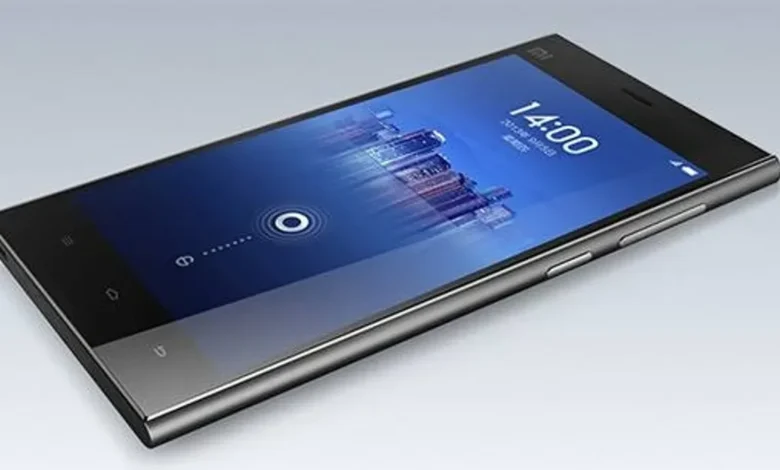
When Xiaomi released the Mi 3, it wasn’t just launching another smartphone — it was redefining what value meant in the mobile industry. The Mi 3 became a landmark device for the Chinese tech giant, setting the stage for Xiaomi’s global dominance. Even years after its release, the Mi 3 continues to be remembered for its powerful hardware, elegant design, and price-to-performance ratio that stunned the competition.
In this comprehensive review, we revisit the Xiaomi Mi 3, exploring its features, performance, and the impact it made on the smartphone world — and why this phone remains a cultural and technological milestone today.
Design: Minimalist, Metallic, and Modern
At a time when plastic bodies dominated the market, Xiaomi took a bold step forward with the Mi 3. The phone’s unibody magnesium alloy frame, coated in a smooth matte finish, gave it a premium feel that rivaled high-end flagships from Samsung and HTC.
Weighing just 145 grams and measuring 8.1mm thick, the Mi 3 managed to feel sleek yet solid. The minimalist design language — sharp edges, perfectly balanced bezels, and clean color finishes — established a visual identity that Xiaomi still carries into its modern Mi and Redmi series.
The 5-inch Full HD (1080p) IPS LCD display was a highlight, offering crisp visuals, excellent brightness levels, and vivid color reproduction — easily among the best in its price segment at the time.
Performance: Powerhouse of Its Time
Under the hood, the Xiaomi Mi 3 packed serious power for its era. It featured Qualcomm’s Snapdragon 800 chipset, a quad-core processor clocked at 2.3GHz, coupled with 2GB of RAM and 16GB or 64GB of internal storage.
At launch, this configuration rivaled the likes of the Samsung Galaxy S4 and Sony Xperia Z1, but at a fraction of the price. Benchmark results placed the Mi 3 near the top of its class, offering smooth multitasking, lag-free gaming, and seamless performance across MIUI — Xiaomi’s proprietary Android skin.
Even in 2025, enthusiasts still flash custom ROMs on the Mi 3 to repurpose it as a secondary or experimental device, a testament to its build quality and enduring hardware stability.
Camera: Ahead of Its Time
The Mi 3’s 13-megapixel Sony Exmor RS sensor with an f/2.2 aperture and dual-LED flash was a significant leap in mobile photography for Xiaomi. It delivered detailed, well-exposed photos with balanced color tones, even in low-light conditions.
For selfies, the 2-megapixel front camera may seem modest today, but at the time, it was more than sufficient for clear, natural-looking shots. Xiaomi’s MIUI camera software offered manual control features and real-time filters, giving users creative freedom rarely seen in budget smartphones then.
In video performance, the Mi 3 supported Full HD 1080p recording, and its image stabilization performed surprisingly well, producing sharp results for both casual and enthusiast users.
Battery Life: Efficiency Meets Endurance
With a 3,050mAh Li-ion battery, the Mi 3 provided impressive endurance thanks to the combination of MIUI’s software optimization and the Snapdragon 800’s efficient power management. Users could easily get through a full day of moderate to heavy use, including web browsing, streaming, and photography.
The Mi 3 supported fast charging (10W) via micro-USB — a notable inclusion at the time — and its battery longevity over years of use remains one of its underrated strengths.
Software and User Experience: MIUI at Its Best
The Xiaomi Mi 3 launched with Android 4.3 Jelly Bean running MIUI 5, but over time, Xiaomi rolled out updates up to MIUI 9, keeping the device relevant long after its release.
MIUI’s smooth interface, customizable themes, and powerful optimization features made the user experience feel premium and polished. Even today, MIUI’s DNA can be traced back to the foundation established with the Mi 3 — simplicity, fluidity, and customization without compromise.
For users revisiting the Mi 3 in 2025, custom ROM communities continue to keep the device alive with Android 12 and even Android 13-based builds, proving Xiaomi’s software ecosystem stood the test of time.
Connectivity and Features
The Mi 3 supported 3G connectivity, Wi-Fi 802.11ac, Bluetooth 4.0, and GPS with GLONASS, ensuring smooth navigation and reliable communication. While it lacked 4G LTE support (which was emerging at the time), its robust antenna and network stability still made it one of the most dependable smartphones in its generation.
Xiaomi’s focus on user convenience also shined through — features like USB OTG support, infrared blaster, and dual-mic noise reduction were rare at this price point and contributed to the Mi 3’s reputation as an overachieving budget flagship.
Legacy: The Phone That Made Xiaomi a Global Powerhouse
When the Xiaomi Mi 3 debuted, it wasn’t just a smartphone — it was a statement of intent. It proved that a company could deliver flagship performance at a mid-range price, a philosophy that shaped Xiaomi’s global success.
The Mi 3’s influence extended far beyond China. It introduced millions of users to Xiaomi’s brand and played a pivotal role in expanding the company into India, Southeast Asia, and Europe.
Even today, the Mi 3 stands as a symbol of innovation and disruption, and it remains one of the most iconic devices in Xiaomi’s history.
Verdict: The Pioneer That Changed the Game
The Xiaomi Mi 3 was a game-changer — a device that combined flagship specs, premium design, and affordability in one powerful package. It laid the groundwork for every Mi and Redmi series smartphone that followed and cemented Xiaomi’s reputation as the “Apple of China” in its early years.
While it may no longer compete with modern flagships in raw specs, the Mi 3’s historical significance and engineering excellence make it a timeless classic — one that still deserves recognition in 2025 as a cornerstone of modern smartphone innovation.


