The Future of GSM Technology
How GSM continues to power global connectivity and shape the next generation of mobile communication networks.

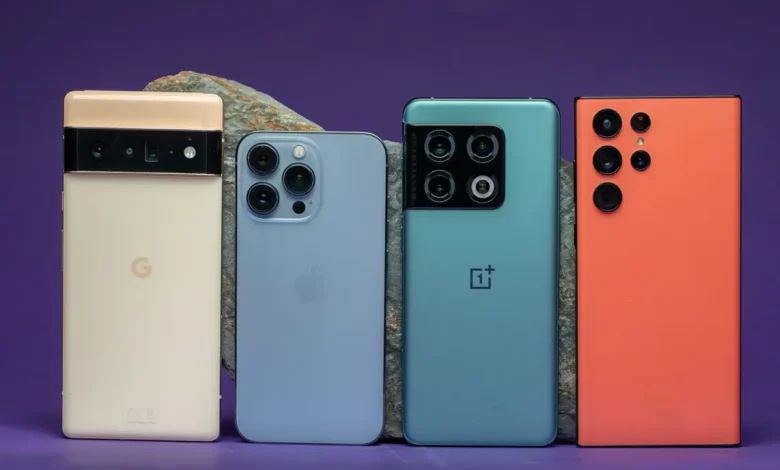
In the fast-paced digital world of 2025, the Global System for Mobile Communications (GSM) remains one of the most influential technologies in the telecommunications industry. While 5G and 6G technologies are gaining ground, GSM continues to serve as the foundation for billions of devices and networks worldwide. This comprehensive review examines the enduring importance of GSM, its evolution, core advantages, and how it integrates with emerging communication standards to maintain relevance in a rapidly changing tech landscape.
The Evolution of GSM: From 2G to Modern Connectivity
GSM was first introduced in the early 1990s as a revolutionary digital standard replacing the analog networks of the 1980s. It became the global benchmark for voice communication, offering higher quality calls, better security, and international roaming capabilities. Over the decades, GSM evolved from simple voice and SMS communication into a versatile platform that now supports IoT devices, machine-to-machine (M2M) communication, and low-bandwidth connectivity systems.
Today, even with the rise of 4G LTE, 5G, and soon 6G, GSM remains critical — especially in developing nations where it ensures affordable and reliable access to mobile communication.
How GSM Works: The Foundation of Mobile Connectivity
GSM operates using a SIM-based architecture that separates user identity from the device hardware. This structure allows users to easily switch devices while maintaining their personal data and mobile number. The technology relies on TDMA (Time Division Multiple Access), which divides frequency bands into time slots, allowing multiple users to share the same channel efficiently.
The key components of a GSM network include:
-
Base Transceiver Station (BTS): Facilitates radio communication with mobile devices.
-
Base Station Controller (BSC): Manages multiple BTS units and allocates radio resources.
-
Mobile Switching Center (MSC): Handles call routing, billing, and interconnection with other networks.
This network design has made GSM one of the most scalable and reliable systems in the world.
GSM’s Continued Relevance in 2025
Despite the advent of next-generation networks, GSM still holds significant value. In many regions across Africa, Asia, and Latin America, GSM provides essential voice and text services where high-speed broadband is not yet fully accessible.
Additionally, GSM networks are vital for IoT (Internet of Things) applications such as smart meters, agricultural sensors, vehicle tracking systems, and point-of-sale terminals. These systems require low-cost, low-power communication — an area where GSM excels.
Global operators are now blending GSM infrastructure with AI-based optimization and 5G integration, extending the life and performance of legacy systems while minimizing operational costs.
Advantages of GSM Over Other Technologies
-
Global Reach: GSM covers more than 190 countries, making it the most widely adopted mobile technology in history.
-
Low Cost: Network deployment and maintenance are cost-effective, ensuring affordability for both users and operators.
-
High Compatibility: GSM devices and SIM cards are universally compatible across networks.
-
Reliability: Proven stability and robust encryption standards make GSM secure for voice and data transmission.
-
Longevity: Even with 5G dominance, GSM’s simplicity ensures it will continue to serve critical roles in communication infrastructure for years to come.
The Shift Toward VoLTE and 5G Integration
While GSM primarily supports 2G communication, the telecom industry has strategically integrated it with Voice over LTE (VoLTE) and Voice over 5G (Vo5G) frameworks. This allows GSM-based networks to maintain backward compatibility, ensuring uninterrupted connectivity even in hybrid environments.
Telecom giants such as Vodafone, Airtel, MTN, and AT&T are investing in GSM modernization, optimizing legacy equipment with software-defined networking (SDN) and network function virtualization (NFV). This fusion enhances network performance, reduces energy consumption, and extends GSM’s lifespan into the late 2020s.
GSM’s Role in Emergency Communication Systems
GSM networks are a lifeline during natural disasters or emergency situations. Unlike high-frequency 5G networks that may fail in extreme conditions, GSM operates on lower frequencies that penetrate deeper and travel farther. Governments and humanitarian organizations continue to depend on GSM networks for disaster alerts, rural healthcare communication, and remote coordination.
The Future of GSM: Smart Integration and Sustainable Networks
The next phase of GSM evolution focuses on sustainability and smart integration. Operators are upgrading infrastructure with renewable energy sources, like solar-powered BTS units, to reduce environmental impact. Moreover, GSM’s interoperability with IoT and AI-driven platforms ensures that the technology will remain relevant for low-bandwidth and mission-critical applications.
With the ongoing expansion of the Internet of Things, GSM’s simplicity and reliability make it an ideal choice for billions of connected devices that prioritize endurance over speed.
Conclusion: GSM Is Far From Obsolete
As the world races toward 6G, GSM continues to play an indispensable role in maintaining global connectivity. It bridges the digital divide, supports essential IoT systems, and ensures communication remains accessible to everyone. Rather than being replaced, GSM has evolved into a hybrid foundation that complements modern networks and empowers digital transformation in emerging markets.
In essence, GSM remains the heartbeat of mobile communication — a timeless technology that continues to adapt, endure, and connect the world.


