Indian Student With $100,000 Columbia Scholarship Denied US Visa — Here’s What Happened
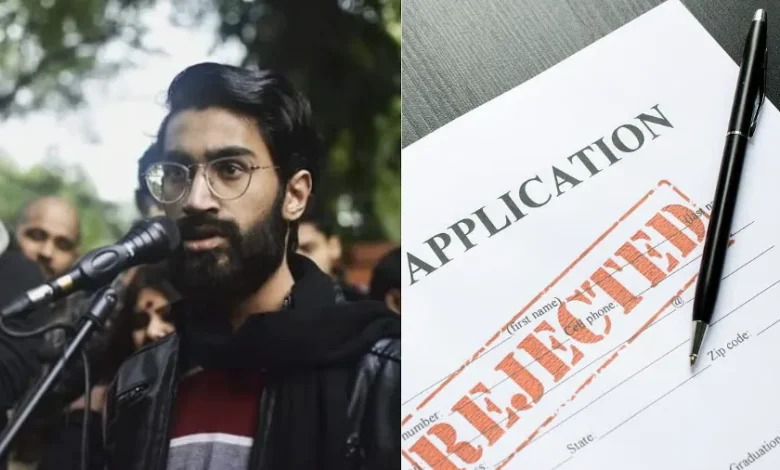
Kaushik Raj's semester at Columbia University was set to start in August, but around that time, he received a letter from the US Embassy in New Delhi telling him his application had been rejected.

By Orlin Milinov
New Delhi —
A 27-year-old journalist from Delhi, Kaushik Raj, who had secured a prestigious $100,000 (approximately ₹89 lakh) scholarship to pursue a Master’s degree in Data Journalism at Columbia University, has been denied a US student visa, leaving his academic dreams in limbo.
Raj, who had completed all the necessary formalities — including the visa interview — believes his rejection may have been linked to his social media activity, which has become a key part of US visa vetting under the Donald Trump administration.
Speaking to The Washington Post, Raj said he was not very active online and avoided sharing opinions on global political issues such as Israel’s war in Gaza. However, as a journalist, he often wrote about hate crimes, something that may have been reflected in his digital footprint.
His semester at Columbia was due to begin in August, but just weeks before departure, Raj received a letter from the US Embassy in New Delhi, stating his application had been rejected because he had not demonstrated sufficient “ties” to India that would compel him to return after his studies. The letter made no reference to social media, but Raj insists the decision was influenced by his online presence.
“It was clearly because they had gone through my social media,” Raj said. “I will apply to the UK now.”
Others Face Similar Fate
Raj’s case is not isolated. According to The Washington Post, at least three other Indian students reported similar experiences. Despite clearing all application stages, they were ultimately denied visas after social media vetting, with the official explanation citing “insufficient ties” to India.
All the affected students claimed they had spent their entire lives in India and had never lived abroad, making the embassy’s reasoning hard to understand.
Social Media Vetting Policy
In June, the United States introduced a mandatory social media vetting policy for individuals applying for F, M, and J category visas — covering students and exchange visitors. Applicants were required to set their social media accounts to “public” visibility to allow immigration officials to verify identity, intent, and admissibility under US law.
Washington maintains that this additional screening measure is necessary to protect national security.
White House Deputy Press Secretary Anna Kelly said the process helps identify individuals who may “pose potential threats or attempt to undermine US foreign policy interests.”
Sharp Decline in Indian Student Visas
The stricter visa policies have led to a significant decline in student entries from India. According to data from the International Trade Commission, the US issued 313,138 student visas in August, a 19.1% decrease compared to the same month in 2024.
India — which last year surpassed China as the top source of international students in the US — saw the steepest drop, with 44.5% fewer student visas issued this year. China has once again reclaimed the top position.
The rejection of Kaushik Raj’s visa, despite his world-class scholarship and clear academic goals, highlights the growing scrutiny Indian students face under Washington’s evolving immigration and security policies.