Phone Information Review
An in-depth look at the evolution, features, and performance of today’s leading smartphones — and what makes them the heartbeat of global communication.

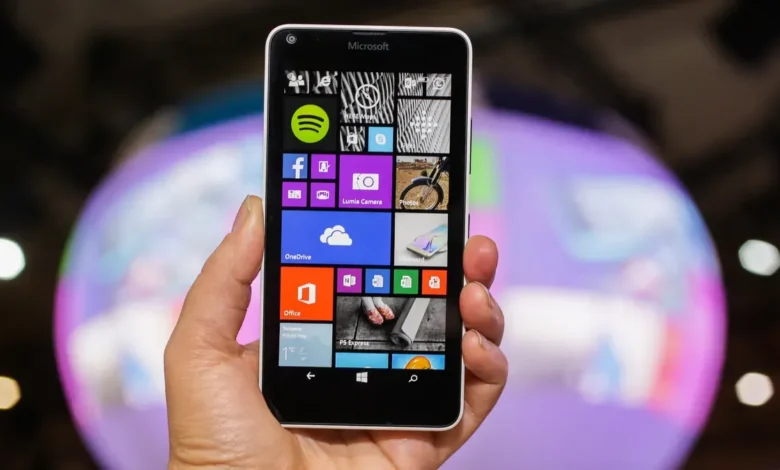
In 2025, the smartphone industry stands at the peak of innovation. From AI-powered photography to satellite connectivity and foldable displays, mobile phones have transformed from simple communication devices into powerful digital ecosystems. This detailed review explores everything you need to know about modern phones — from design and hardware performance to software ecosystems and emerging technologies — offering a clear picture of how the smartphone landscape continues to shape our digital lives.
The Evolution of Smartphones: From Communication Tools to AI Companions
Mobile phones have come a long way since the early GSM and 2G days. What began as devices for calls and texts has evolved into AI-integrated supercomputers that fit in your pocket. Today’s flagship phones, such as the iPhone 17 Pro Max, Samsung Galaxy S24 Ultra, and Google Pixel 10 Pro, push boundaries with on-device intelligence, next-gen camera systems, and ultra-fast chipsets.
The shift toward AI-driven functionality is the defining trend of 2025. Modern smartphones don’t just respond to input—they anticipate needs, automate tasks, and adapt to user behavior. Whether it’s summarizing messages, optimizing battery life, or enhancing images through generative AI, phones are becoming intuitive partners in daily life.
Design and Build: Where Art Meets Engineering
Smartphone design has reached new levels of sophistication. Manufacturers now favor aerospace-grade materials, such as titanium, ceramic, and eco-glass, ensuring durability without compromising aesthetics. The edge-to-edge OLED and AMOLED displays dominate, providing lifelike colors and 120Hz refresh rates for buttery-smooth navigation.
Foldable phones have also matured. Devices like the Samsung Galaxy Z Fold6 and Oppo Find N5 offer reinforced hinge mechanisms, waterproofing, and multi-angle flex modes that redefine multitasking. Even traditional bar-style phones now sport ultra-slim bezels and symmetrical design languages that exude luxury and precision.
Display Technology: Brighter, Smarter, and Sharper Than Ever
In 2025, display quality has become one of the biggest differentiators in smartphone performance. The latest flagship panels, such as Apple’s Super Retina XDR, Samsung’s Dynamic AMOLED 3X, and Xiaomi’s UltraVision OLED, deliver peak brightness above 2,500 nits, ensuring flawless outdoor visibility.
High refresh rates (up to 144Hz) and adaptive LTPO technology help balance performance and battery efficiency. Meanwhile, advanced HDR10+ and Dolby Vision compatibility make video playback more immersive, bringing cinematic detail directly to the palm of your hand.
Performance: The New Silicon Power Race
Under the hood, smartphones in 2025 are more powerful than many laptops. Apple’s A18 Pro chip, Qualcomm’s Snapdragon 8 Gen 4, and Google’s Tensor G4 represent a new era of AI-optimized processing. These chips deliver lightning-fast speeds, energy efficiency, and enhanced neural capabilities for tasks like voice recognition, real-time translation, and image generation.
RAM capacities have climbed as high as 24GB in gaming-centric phones, while storage options now reach 2TB, supporting 8K video editing, 3D rendering, and large-scale gaming. In essence, today’s phones are creative studios, gaming consoles, and productivity tools all at once.
Camera Innovation: Redefining Mobile Photography
If there’s one area where smartphones have consistently wowed users, it’s photography. The multi-lens camera systems of 2025 rival professional DSLRs, featuring periscope zoom lenses, 1-inch sensors, and AI-powered image fusion.
Leading devices like the iPhone 17 Pro Max and Xiaomi 15 Ultra employ computational photography to blend multiple exposures, delivering exceptional dynamic range and color accuracy. Night mode captures crisp, vivid images even in near darkness, while ProRAW and 8K ProRes recording redefine what mobile videography can achieve.
The integration of AI editing tools—including object removal, sky replacement, and auto-composition—has democratized professional content creation. For influencers, journalists, and filmmakers, smartphones have become the go-to production tool.
Battery and Charging: Power Meets Endurance
With increasingly powerful components, efficient battery management is crucial. Flagship phones now feature 5,000mAh to 6,000mAh batteries combined with intelligent power optimization powered by AI. Many devices can last up to 36 hours of heavy use on a single charge.
Charging technology has also taken a massive leap forward. Phones now support 120W to 150W wired charging, achieving full charge in under 20 minutes. Wireless and reverse wireless charging continue to improve, allowing seamless power sharing between accessories like earbuds and smartwatches.
Software and Ecosystem: The AI-Driven Experience
Modern smartphones are as much about software as they are about hardware. Operating systems such as iOS 19, Android 15, and HyperOS 2.0 prioritize privacy, personalization, and performance. Built-in AI assistants analyze user routines to automate scheduling, organize content, and enhance productivity.
Cross-device ecosystems—connecting phones, tablets, and wearables—are now central to user experience. Apple’s Continuity, Samsung’s Galaxy Ecosystem, and Xiaomi’s HyperConnect allow seamless device switching, file transfers, and synced notifications.
Connectivity: The 5G and Satellite Revolution
In 2025, 5G UltraWide has become the global standard, delivering speeds exceeding 10Gbps in urban centers. Meanwhile, satellite communication is emerging as the next frontier, providing reliable connectivity even in remote areas. Apple, Huawei, and Samsung have already integrated emergency satellite texting into their flagships, with full voice support expected soon.
Bluetooth 6.1, Wi-Fi 7, and ultra-wideband (UWB) technologies further enhance device-to-device communication, ensuring faster and more secure data transfer.
Sustainability: The Green Tech Movement
Sustainability has become a cornerstone of smartphone manufacturing. Brands are adopting recycled aluminum, bio-based plastics, and modular designs that extend product lifespan. Even packaging has gone eco-friendly, using biodegradable materials and reduced ink printing.
Moreover, companies are offering longer software support—up to seven years of updates—ensuring that users get the most from their devices without early upgrades.
Conclusion: The Smartest Phones in History
The 2025 smartphone landscape represents the pinnacle of innovation and connectivity. Phones are no longer just tools—they’re extensions of human capability. From AI-enhanced creativity to sustainable engineering and lightning-fast performance, mobile devices continue to revolutionize how we work, connect, and live.
Whether you’re a gamer, photographer, or professional multitasker, there’s never been a better time to own a smartphone. The industry’s relentless drive for excellence ensures that the future of mobile technology will be faster, smarter, and more human than ever.


