Nokia 3310 (2017) Review
HMD Global’s reimagining of the iconic Nokia 3310 blends vintage charm with practical modern upgrades — proving simplicity still has a place in today’s smartphone era.

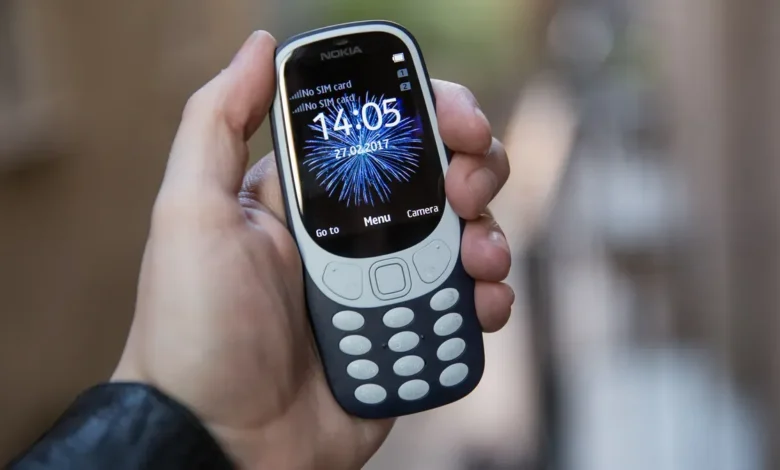
When HMD Global announced the return of the legendary Nokia 3310 in 2017, it was more than just a product launch — it was a cultural moment. The original Nokia 3310, released in 2000, was beloved for its indestructible build, unbeatable battery life, and the addictive game of Snake. Seventeen years later, the 2017 version arrived as a stylish tribute that bridges nostalgia and modern utility.
In an age where phones are increasingly complex, the Nokia 3310 (2017) delivers an antidote — a device built for reliability, simplicity, and connection, not distraction.
Design: Retro Spirit, Refined for Today
The first impression of the Nokia 3310 (2017) is pure nostalgia wrapped in modern aesthetics. It retains the classic silhouette of the original but softens the edges for a more ergonomic and contemporary look. The curved body fits perfectly in the hand, and at just 79.6g, it feels feather-light yet sturdy.
Available in vibrant hues like Warm Red, Yellow, Dark Blue, and Grey, the 3310 (2017) feels cheerful and unmistakably Nokia. The T9 keypad returns, providing tactile satisfaction that touchscreen devices can’t replicate. The buttons are firm, well-spaced, and clicky — perfect for text messaging the old-fashioned way.
The 2.4-inch QVGA display brings color to the nostalgia. It’s bright, crisp enough for basic use, and protected by a polarizing layer that enhances outdoor visibility.
This is not a smartphone trying to imitate modern trends — it’s a feature phone proudly embracing its identity.
Performance: Simplicity That Works
Under the hood, the Nokia 3310 (2017) runs on Nokia Series 30+ software, paired with 16MB internal storage and a microSD card slot supporting up to 32GB. The device is powered by a 1,200mAh removable battery, delivering the same kind of endurance that made the original legendary.
In daily use, the phone feels fast and responsive for its category. The simple interface boots instantly, navigating menus is smooth, and essential apps like messages, contacts, and the camera open without delay.
Connectivity includes 2G GSM support, FM radio, and an MP3 player, while the microUSB port and 3.5mm headphone jack retain the practicality users expect from a Nokia classic.
There’s even a modernized Snake game, offering hours of fun with updated graphics — a fitting tribute to the original’s timeless appeal.
Camera: Modest But Capable
The Nokia 3310 (2017) is equipped with a 2MP rear camera accompanied by an LED flash. While it won’t rival smartphone photography, it’s functional enough for casual snapshots and quick moments. The images are clear under good lighting conditions and adequate for sharing via Bluetooth or saving to an SD card.
The camera app is simple — open, aim, and shoot — perfectly in tune with the device’s minimalist philosophy. It even includes a basic zoom and scene modes for a touch of modernity.
Battery Life: The Undisputed Champion Returns
Battery life remains the defining feature of the Nokia 3310 (2017). The 1,200mAh removable battery delivers up to 22 hours of talk time and nearly a month of standby time — a feat that modern smartphones can only dream of.
In real-world usage, users can go several days without charging. For travelers, remote workers, or anyone tired of power banks, this phone offers true peace of mind.
Charging via microUSB is quick and efficient, with the full charge achieved in roughly two hours. The combination of minimal software, low power consumption, and Nokia’s energy optimization makes the 3310 an endurance legend once again.
Connectivity and Features: Back to Basics With a Few Extras
The Nokia 3310 (2017) may not be a smartphone, but it’s far from primitive. It supports:
-
2G dual-SIM capability (on select variants).
-
FM radio and MP3 playback for music lovers.
-
Bluetooth 3.0 for easy file sharing and headset pairing.
-
MicroSD card support for expandable storage.
-
Torchlight function via the LED flash.
While it lacks Wi-Fi or app store functionality, the focus here is clear — reliable communication, entertainment, and durability without digital clutter.
For many users, especially seniors or those seeking a secondary “distraction-free” device, these essentials hit the perfect balance.
User Experience: Nostalgia Meets Practicality
The 3310’s charm lies in its simplicity. The user interface is intuitive, with large, legible icons and no unnecessary layers. Texting feels refreshingly personal, and calls are loud, clear, and consistent thanks to Nokia’s strong antenna performance.
The tactile keypad makes messaging satisfying — a throwback to the days of predictive T9 input mastery. The menu navigation is straightforward, and the bright color display adds vibrancy without overwhelming.
Everything about the Nokia 3310 (2017) feels designed for people who value communication over complication.
Durability: The Legend Lives On
True to its heritage, the Nokia 3310 (2017) is built to last. The polycarbonate shell absorbs drops gracefully, and the smaller display is less prone to cracking. It’s the kind of phone you can toss in a bag, use outdoors, or lend to a child without worry.
It may not be fully indestructible like the mythic original, but in a world of fragile glass devices, it’s still remarkably tough.
Verdict: A Modern Classic for the Minimalist Era
The Nokia 3310 (2017) isn’t designed to compete with smartphones — it’s designed to remind us of what phones used to be: simple, durable, and reliable companions. With exceptional battery life, cheerful design, and iconic nostalgia, it fulfills its mission perfectly.
For users seeking a dependable backup device, a travel companion, or a digital detox alternative, the Nokia 3310 delivers charm and practicality in equal measure.
At around $59 (USD), it’s an affordable piece of mobile history that continues to hold its value — not in specs, but in spirit.
Final Verdict: 9.1 / 10
Pros: Iconic design, exceptional battery life, durable build, easy-to-use interface.
Cons: 2G-only connectivity, basic camera, limited multimedia capabilities.


